
Rewire your body's pain response—no prescription required.
Acupuncture is far more than a tool for managing symptoms; it is a profound method for communicating with your nervous system and unlocking your body’s inherent capacity to heal. By gently stimulating highly sensitive neural pathways and reshaping how your brain processes stress and pain, we can guide your system out of a depleted "fight-or-flight" state and back into a vibrant, receptive rhythm. It is a time-tested, clinically validated bridge that aligns your body's physical structures with its vital emotional landscapes.
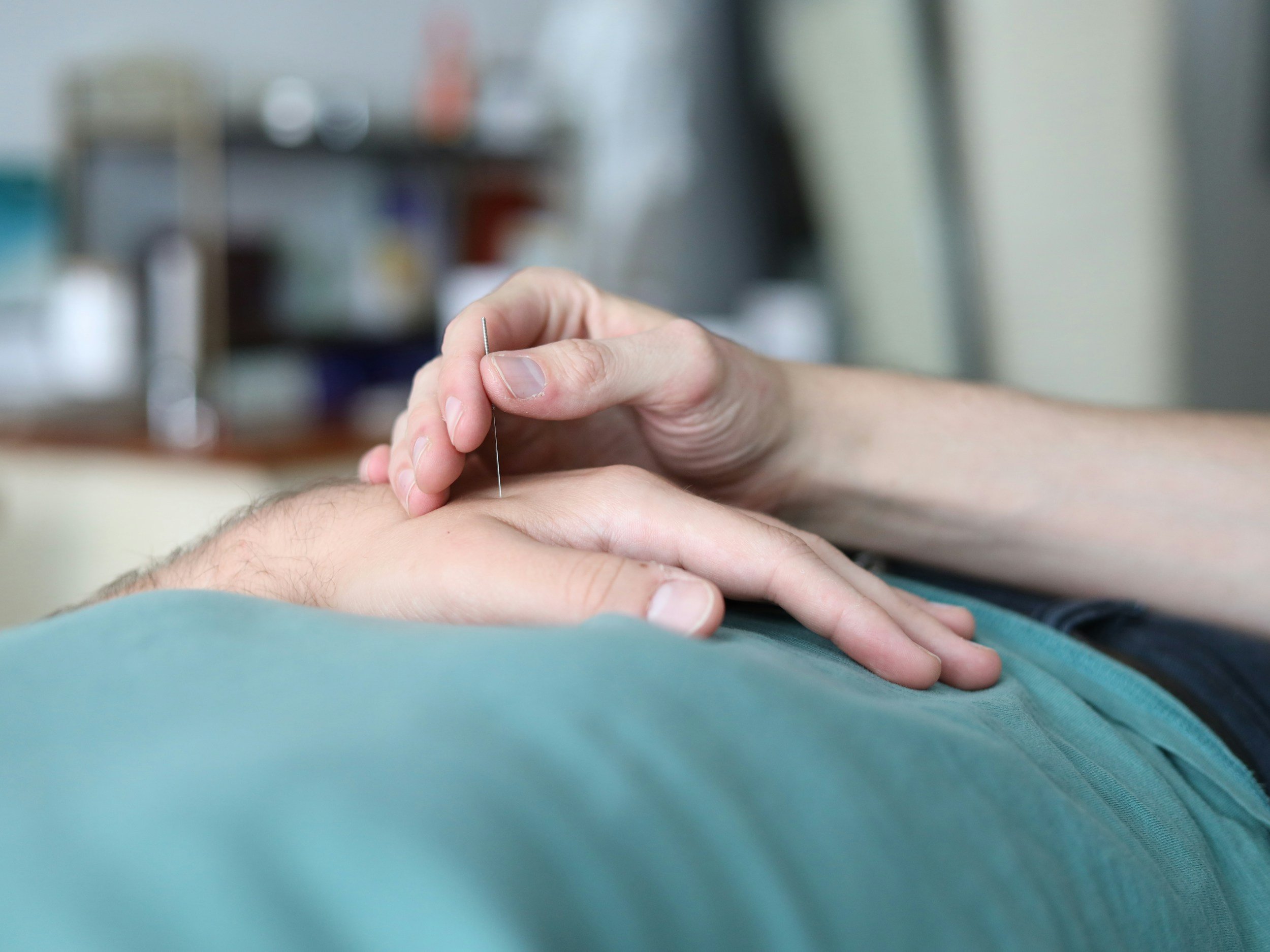
At Dart Acupuncture, we use sterile, single-use needles that are hair thin. These hair thin filiform needles are placed at precise acupuncture points to stimulate Qi — the body’s vital energy — encouraging it to move in a harmonious and balanced way.
When energy flows well, the body functions well.
Patients throughout Seattle and East Side King county seek acupuncture when they are looking for a natural, medically grounded approach to healing — one that treats the root cause, not just symptoms.
What Acupuncture Helps Support
Acupuncture may help regulate and support:
Pain and inflammation
Stress and anxiety
Hormonal balance
Sleep disturbances
Digestive issues
Immune health
Nervous system dysregulation
Overall vitality and resilience
By nourishing what is deficient, clearing what is stuck, and calming what is overactive, acupuncture helps bring the body back into balance — where true healing can occur.
What You Can Expect During Treatment
Treatments are gentle, individualized, and deeply restorative.
Most patients experience:
A profound sense of relaxation
Release of muscular tension
Improved circulation
A calmer, more regulated nervous system
Mental clarity and emotional steadiness
Many leave feeling grounded, lighter, and more connected to themselves.
How Acupuncture Works
When acupuncture points are stimulated, they act as conduits — sending signals through connective tissue and the nervous system to initiate healing responses throughout the body.
The needles influence fascia (connective tissue), circulation, and neural pathways, helping the body shift into a parasympathetic state — the state where repair and regeneration occur.
The Science Behind Acupuncture
Modern research continues to explore the measurable physiological effects of acupuncture.
Studies suggest acupuncture may:
Support regenerative cellular activity
Improve blood and lymphatic circulation
Modulate inflammation
Stimulate the release of endorphins and natural pain regulators
Influence brain wave activity associated with deep relaxation
Help regulate immune response
Create Theta Waves
Lower Inflammation
Lower Cortisol
Imaging studies, including MRI and Doppler ultrasound, have demonstrated observable changes in brain activity and blood flow during acupuncture treatment.
According to the World Health Organization, acupuncture is one of the most widely used traditional medicine practices worldwide. In 2020, the Centers for Medicare & Medicaid Services began covering acupuncture for chronic low back pain — marking a significant milestone in integrative medicine.
Conditions We Successfully Manage
General Well Being
Headache
Fatigue
Stress
Anxiety
Gastro-intestinal Health
Low immunity
Neuropathic Conditions
Neuropathic pain
Numbness, pins and needles, weakness
Bell’s Palsy
Pudendal neuralgia
Trigeminal neuralgia
Stroke sequelae
Fertility
Female Fertility support
Male Fertility Support
IVF/IUI support, including pre collection and pre and post transfer treatments
Emotional Well Being
Stress
Anxiety
Sleep disorders
Women’s Health
Painful periods
Irregular cycles
PCOS/PMOS
Menopause/Peri-menopause symtoms
Hormone acne
PMS symptoms
Sleep
Insomnia
Difficulty falling asleep/staying asleep
Restless legs
Musculoskeletal conditions
Back pain, sciatica
Pelvic floor dysfunction
Shoulder pain, frozen shoulder
Knee pain, osteoarthritis
Neck pain, TMJD
Acute injuries, sprains, tears
Sports performance and recovery
Pregnancy Care
Morning Sickness
Heartburn, digestive upset
Back and hip pain
Headache
Fatigue
Breech presentation
Labor preparation
Oncology
Neuropathy
Nausea, digestive upset
Fatigue
Post-Mastectomy Pain Syndrome
Experience the integrative difference.